
Prevention, as they say, is the best medicine. It’s also the most cost-effective way to stay healthy, which means you’ll save money in the long run by preventing health problems before they start. Here are seven ways you can prevent health problems before they start, so you can stay healthy and keep your wallet happy.
1) Get regular medical checkups

Preventing health problems before they start is essential for maintaining a healthy lifestyle. One of the best ways to do this is to get regular medical checkups. Regular checkups allow your doctor to identify any potential issues before they become more serious, allowing you to address them early on. This can help reduce the risk of developing a serious illness or condition, and it can also help you maintain optimal health.
During a regular checkup, your doctor will take your vital signs, such as your blood pressure, temperature, and pulse rate. They may also order tests, such as a urinalysis or complete blood count, to get a better understanding of your overall health. Your doctor may also ask about any medications or supplements you are taking and perform a physical exam.
It’s important to talk to your doctor about any concerns or questions you have during the appointment. You should also follow your doctor’s instructions for follow-up appointments and screenings to ensure any health issues are detected early on. Taking preventative measures now can help you stay healthy for years to come.
2) Don't smoke
Smoking is one of the most preventable causes of health problems. By avoiding smoking, you can significantly reduce your risk of developing serious illnesses like lung cancer, heart disease, stroke, and COPD. Quitting smoking can also help improve your overall health and reduce your risk of other health problems.
The best way to avoid smoking is to never start in the first place. If you already smoke, it’s not too late to quit. Talk to your doctor about programs and resources available to help you quit. You may find that medications, nicotine replacement products, counseling, or other strategies may help you quit successfully.
No matter how long you’ve been smoking, quitting will help your body heal and reduce your risk of developing serious health problems in the future. Make a plan and commit to quitting today. Your body will thank you for it!
3) Eat a healthy diet

Eating a healthy diet is one of the best ways to prevent health problems before they start. Eating a balanced diet filled with fresh fruits, vegetables, lean meats, and whole grains can help you maintain your health and avoid potential health issues.
When it comes to preventing health problems, eating healthy is key. Consuming a balanced diet full of vitamins, minerals, antioxidants, and essential fatty acids will help your body stay strong and ward off illnesses. Additionally, consuming a variety of foods will ensure you get all the nutrients your body needs to remain healthy and functioning properly.
Another important factor in maintaining good health is portion control. Eating too much or too little of any food can throw off your body's balance and cause health issues. Knowing how much food you should be eating per day, and paying attention to how much you actually eat, is essential for maintaining your health.
Finally, make sure you drink enough water. Water helps your body flush out toxins and stay hydrated. Staying hydrated will help keep your energy levels up and your mind sharp.
By eating a balanced diet and controlling portions, you can take steps to prevent health problems before they start. Pay attention to what you're eating and drinking and make sure you give your body what it needs to stay healthy.
4) Get enough exercise

Regular exercise is one of the best ways to prevent health problems before they start. Physical activity not only helps to keep your body fit, but it also reduces your risk of developing various diseases. Exercising regularly can help you maintain a healthy weight, reduce stress and anxiety, strengthen your bones and muscles, and improve your overall mood.
When it comes to physical activity, it’s important to find activities that you enjoy and look forward to. Whether it’s joining a local gym, taking a yoga class, going for a walk, or jogging around your neighborhood, find something that works for you and makes you happy. Aim for at least 30 minutes of exercise each day and incorporate strength training into your routine as well.
Remember, the key to staying healthy is consistency. Try to make exercise part of your daily routine and you will see the benefits in no time.
5) Limit alcohol consumption

Alcohol is a major contributor to many preventable health problems, so it’s important to limit your intake. Too much alcohol can lead to liver disease, cardiovascular disease, high blood pressure, certain cancers, and depression. It can also impair your judgment, increase your risk of accidents, and lead to dangerous behaviors like drinking and driving.
If you choose to drink alcohol, the World Health Organization (WHO) recommends limiting your intake to one drink per day for women and two drinks per day for men. If you’re pregnant or trying to become pregnant, avoid any alcohol consumption. Finally, if you’re under 21 or have a family history of alcoholism, it’s best to stay away from alcohol altogether.
Take the time to think about the risks associated with drinking and decide what’s right for you. Limiting your alcohol intake is a simple step that can help you stay healthy and prevent serious health problems down the road.
6) Get enough sleep
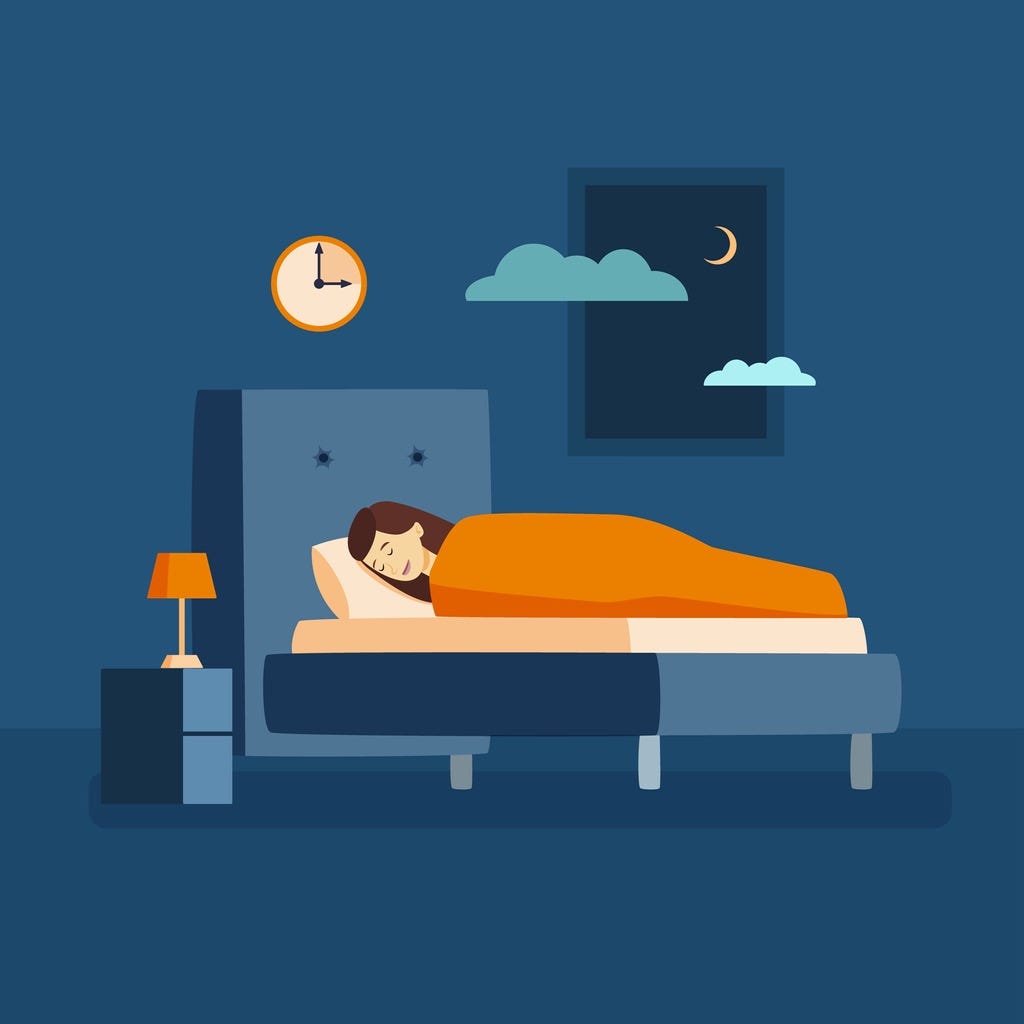
Getting enough sleep is one of the most important things you can do to prevent health problems. When you don't get enough rest, your body doesn't have time to recharge and repair itself, which can lead to a variety of health issues. Getting seven to eight hours of sleep every night can help keep your body functioning properly and ward off potential health problems.
To get enough sleep, you should establish a regular sleeping schedule. Going to bed and waking up at the same time each day helps your body adjust and makes it easier to fall asleep quickly. Additionally, try to avoid caffeine and alcohol before bed, as they can interfere with your sleep cycle. Create a relaxing atmosphere in your bedroom by keeping it dark and quiet, as well as avoiding screens before bedtime. Taking a warm bath or reading a book can also help you drift off to sleep faster.
By following these tips, you can ensure that you are getting enough quality rest every night and helping to prevent health issues before they start.
7) Reduce stress

Stress is one of the most common causes of health problems, and it can hurt your mental and physical well-being. Fortunately, there are some simple steps you can take to reduce the amount of stress in your life. Here are a few tips to help you prevent health problems due to stress:
1. Make time for yourself. Taking a break from work and other obligations is important to give yourself a mental and physical break. Whether it’s a weekend away or a few hours each day, make sure you find time for yourself.
2. Exercise regularly. Exercise not only helps to relieve stress, but it also helps to boost your energy levels and mood. Exercise for 30 minutes at least three times a week
3. Get enough sleep. Sleep is essential for our bodies to recover and repair themselves, so make sure you’re getting at least seven to eight hours each night.
4. Connect with friends and family. Having strong social connections is important for reducing stress, so make time to catch up with friends and family regularly.
5. Talk to someone. If you’re feeling overwhelmed or struggling to cope, don’t be afraid to talk to someone you trust or a professional counselor.
6. Take a break from technology. Technology can often be a source of stress and anxiety, so take a break from it every now and then. Turn off notifications, log out of social media, and put away your devices for a while.
7. Practice mindfulness and relaxation techniques. Mindfulness and relaxation techniques like deep breathing, yoga, or meditation can help reduce stress levels and improve your overall well-being.



0 Comments